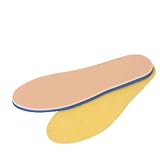
Ever find yourself with uncomfortable or worn-out insoles in your favorite shoes? Maybe they’ve shifted, bunched up, or simply lost their cushioning. Replacing them can breathe new life into your footwear, but the process can seem daunting, especially when the old insoles are glued in. Don’t worry, it’s a manageable task with the right tools and a little patience.
This guide will walk you through the process of how to remove glued insoles from shoes safely and effectively. We’ll cover everything from assessing the situation and gathering the necessary supplies to the step-by-step removal process and tips for a clean finish. Whether you’re dealing with athletic shoes, dress shoes, or anything in between, you’ll be able to tackle this project with confidence.
Get ready to say goodbye to those uncomfortable insoles and hello to a fresh, improved feel in your shoes! Let’s get started.
Understanding Glued Insoles
Before we dive into the removal process, let’s understand why insoles are glued in the first place. This is a common practice in shoe manufacturing for several reasons.
Reasons for Gluing Insoles
- Stability: Glue helps secure the insole, preventing it from shifting or bunching up during wear, which can cause discomfort or even blisters.
- Durability: Gluing contributes to the overall durability of the shoe, as it helps to maintain the integrity of the insole and its connection to the shoe’s structure.
- Aesthetics: A glued-in insole can provide a cleaner, more finished look to the shoe, especially around the edges.
- Manufacturing Efficiency: Gluing the insole is a relatively quick and efficient part of the shoe assembly process.
However, glued insoles also mean that replacing them requires a bit more effort. The type of glue used, the materials of the insole, and the shoe’s construction can all influence how challenging the removal process will be.
Gathering Your Supplies
Having the right tools and materials will make the process of removing glued insoles significantly easier and safer. Here’s a list of what you’ll need:
Essential Tools and Materials
- Hair Dryer or Heat Gun: This is crucial for softening the glue. A hair dryer is usually sufficient, but a heat gun can provide more focused heat if needed. Use caution with a heat gun, as it can damage the shoe if used improperly.
- Thin, Stiff Putty Knife or Spatula: Choose a putty knife or spatula with a thin, flexible blade. This will be used to pry and separate the insole from the shoe. Avoid using sharp knives that could damage the shoe’s interior. A plastic putty knife is often a good choice to minimize the risk of damage.
- Gloves: Protect your hands from glue residue and potential irritants.
- Towel or Cloth: To protect your work surface and to wipe away any glue residue.
- Optional: Rubbing Alcohol or Glue Remover: If the glue is particularly stubborn, you might need rubbing alcohol or a specialized glue remover. Test it in an inconspicuous area first to ensure it doesn’t damage the shoe’s materials.
- Replacement Insoles: Have your new insoles ready to go once the old ones are removed. Make sure they are the correct size and type for your shoes.
- Patience: This is a task that requires patience. Don’t rush the process, or you risk damaging your shoes.
Before you begin, make sure you have a well-lit and ventilated workspace. Protect your work surface with a towel or cloth to prevent any accidental damage.
Step-by-Step Removal Process
Follow these steps to safely and effectively remove the glued insoles from your shoes:
Step 1: Preparation
First, clean your shoes. Remove any loose dirt or debris from the interior of the shoe. This will give you a better surface to work with. If your shoes have laces, you may want to remove them to give you more room to maneuver. Place your shoes on a protected surface, such as an old towel or a piece of cardboard. (See Also: How To Remove Glued Insoles From Shoes )
Step 2: Apply Heat
This is the most critical step. Using a hair dryer or heat gun, apply heat to the area where the insole is glued to the shoe. Focus on the edges of the insole first, as this is where the glue is most likely to be exposed. Move the heat source back and forth, avoiding holding it in one spot for too long, as this could damage the shoe’s materials. The goal is to soften the glue, not to melt or burn the shoe.
Important Safety Tip: If using a heat gun, keep it at a low setting and maintain a distance of at least 6 inches from the shoe. Constantly move the heat gun to prevent overheating.
Step 3: Insert the Putty Knife
Once you feel the glue softening (you may notice a slight give or flexibility in the insole), carefully insert the thin blade of the putty knife or spatula between the insole and the shoe’s interior. Start at a corner or edge where the insole is lifting slightly. Work slowly and gently, prying the insole away from the shoe. Don’t force it. If it doesn’t budge easily, apply more heat.
Step 4: Gradually Work Around the Edges
Continue applying heat and carefully inserting the putty knife, working your way around the perimeter of the insole. As you loosen the glue, you should be able to pry the insole away from the shoe gradually. Be patient and persistent. Some areas may require more heat and effort than others.
Tip: If the insole is particularly stubborn, you might need to apply heat and work the putty knife in small sections. Do not try to remove the entire insole at once.
Step 5: Remove the Insole
Once you’ve loosened the glue around the entire perimeter, the insole should come away relatively easily. If it’s still stuck in some areas, apply more heat and carefully work the putty knife to release it. Once the insole is free, remove it completely from the shoe.
Step 6: Clean Up Glue Residue
Some glue residue will likely remain on the interior of the shoe. Use rubbing alcohol or a specialized glue remover to clean up the residue. Apply a small amount of the solvent to a clean cloth and gently wipe away the remaining glue. Be careful not to saturate the shoe’s materials with the solvent, as this could cause damage. Allow the area to dry completely before inserting the new insoles.
Step 7: Prepare for New Insoles
Once the interior of the shoe is clean and dry, you can insert your new insoles. Make sure they fit properly and provide the desired level of comfort and support. Some replacement insoles may have adhesive on the bottom. If they do, follow the manufacturer’s instructions for installation. If the insoles do not have adhesive, they should fit snugly into the shoe without needing additional glue. (See Also: How To Clean Non Removable Insoles )
Dealing with Stubborn Glue
Sometimes, the glue used to secure the insole is particularly strong or resistant to heat. Here are some tips for dealing with stubborn glue:
Techniques for Stubborn Glue
- Increase Heat: Carefully increase the heat from your hair dryer or heat gun. Be extra cautious not to damage the shoe’s materials.
- Soaking with Heat: Apply heat to a small area for a longer duration. This can help to penetrate the glue and soften it more effectively.
- Glue Remover: Use a glue remover specifically designed for shoes. Apply the remover as directed, and allow it to sit for the recommended time before attempting to pry the insole loose. Always test the remover in an inconspicuous area first to ensure it doesn’t damage the shoe’s materials.
- Multiple Applications: You may need to repeat the heating and prying process multiple times to completely remove the stubborn glue.
- Patience is Key: Do not get discouraged if the glue is difficult to remove. Take your time and be persistent, and you will eventually succeed.
Types of Glue and How They React
Different types of glues react differently to heat and solvents. Understanding the type of glue used in your shoes can help you determine the best approach for removal.
- Hot Glue: Hot glue softens easily with heat. A hair dryer is often sufficient for removing insoles held in place with hot glue.
- Contact Cement: Contact cement is a strong adhesive that requires more heat and potentially a solvent to remove.
- Polyurethane Glue: Polyurethane glue is known for its strength and water resistance. It may require a combination of heat and a specialized solvent to break the bond.
If you’re unsure about the type of glue used, start with the gentlest approach (heat) and gradually increase the intensity as needed.
Preventing Shoe Damage
While removing glued insoles is generally a safe process, it’s important to take precautions to prevent damage to your shoes. Here are some tips:
Tips for Avoiding Damage
- Use Low Heat: Always start with a low heat setting and gradually increase it if necessary. Avoid holding the heat source in one spot for too long.
- Protect the Shoe’s Materials: Be mindful of the shoe’s materials, such as leather, suede, or delicate fabrics. Use a low heat setting and avoid direct contact with the heat source.
- Use the Right Tools: Use a thin, flexible putty knife or spatula to pry the insole loose. Avoid using sharp objects that could cut or damage the shoe’s interior.
- Work Slowly and Carefully: Take your time and work slowly. Don’t force the insole, as this could cause damage.
- Test Solvents in an Inconspicuous Area: Before applying any solvent, test it in an inconspicuous area of the shoe to ensure it doesn’t damage the material.
- Know Your Shoe Materials: Different materials react differently to heat and solvents. Be aware of the materials in your shoes and adjust your approach accordingly.
Choosing Replacement Insoles
Once you’ve removed the old insoles, it’s time to choose replacement insoles. The right insoles can significantly improve the comfort, support, and performance of your shoes. Consider the following factors when selecting replacement insoles:
Factors to Consider
- Activity: Consider the activity you’ll be using the shoes for. For running, you’ll want insoles with good cushioning and shock absorption. For hiking, you’ll need insoles with arch support and stability.
- Arch Support: If you have flat feet or high arches, choose insoles that provide appropriate arch support.
- Cushioning: Look for insoles with good cushioning to absorb impact and provide comfort.
- Material: Insoles are made from various materials, such as foam, gel, and cork. Choose a material that suits your needs and preferences.
- Fit: Make sure the insoles fit properly in your shoes. They should be the correct size and shape. You might need to trim the insoles to fit perfectly.
- Durability: Consider the durability of the insoles. Some insoles are designed to last longer than others.
By considering these factors, you can choose replacement insoles that will enhance the comfort and performance of your shoes.
Alternative Methods
While heat is the most common and effective method for removing glued insoles, there are a few alternative approaches you can try, particularly if you’re dealing with a very stubborn insole or if you’re concerned about damaging your shoes.
Alternative Approaches
- Freezing: Some people have had success with freezing the shoes to weaken the glue. Place the shoes in the freezer for a few hours and then try to remove the insole. This method may not be as effective as heat, but it can be worth a try.
- Soaking: For some types of glue, soaking the shoe in warm water can help to soften the adhesive. However, be cautious with this method, as it can damage certain materials.
- Professional Shoe Repair: If you’re uncomfortable attempting the removal yourself, or if you’re dealing with high-end or delicate shoes, consider taking them to a professional shoe repair shop. They have the expertise and tools to remove the insoles safely and effectively.
Remember to always prioritize the safety of your shoes and choose the method that you feel most comfortable with. (See Also: Shoes For Standing On Concrete )
Troubleshooting Common Issues
Even with the best preparation, you might encounter some challenges during the insole removal process. Here’s how to troubleshoot some common issues:
Troubleshooting Tips
- Insole Won’t Budge: If the insole is not budging, apply more heat and allow it to sit for a longer period. Make sure the heat is reaching the glue. You might need to use a glue remover.
- Glue Residue Remains: If glue residue remains after removing the insole, use rubbing alcohol or a specialized glue remover to clean it up. Be patient, and apply the solvent in small amounts.
- Damage to the Shoe: If you accidentally damage the shoe’s interior, stop and assess the damage. You may be able to repair it with glue or fabric. If the damage is significant, consider taking the shoes to a professional shoe repair shop.
- Insole Tears: If the insole tears during removal, don’t worry. Continue working on the remaining pieces, and remove them as best as you can. Any remaining bits can be scraped off with the putty knife or cleaned with a solvent.
- Uneven Removal: If you’re having trouble getting the insole to come away evenly, try heating the edges and working your way inward. Patience is key.
If you encounter any difficulties, don’t hesitate to consult online resources or seek advice from a shoe repair professional.
Maintenance and Care for Your Shoes
Once you’ve successfully removed the old insoles and replaced them with new ones, it’s essential to maintain and care for your shoes to prolong their lifespan and keep them in good condition. Here are some tips:
Shoe Care Tips
- Clean Regularly: Clean your shoes regularly to remove dirt, dust, and debris. Use a soft brush or cloth to wipe down the exterior.
- Protect from the Elements: Protect your shoes from rain, snow, and extreme heat. Use a shoe protector spray to repel water and stains.
- Proper Storage: Store your shoes in a cool, dry place away from direct sunlight. Use shoe trees to maintain their shape.
- Rotate Shoes: Rotate your shoes to allow them to dry out and prevent wear and tear. Don’t wear the same pair of shoes every day.
- Replace Insoles Regularly: Replace your insoles when they become worn out or uncomfortable. This will help to maintain the comfort and support of your shoes.
- Address Issues Promptly: Address any issues with your shoes promptly, such as loose stitching or worn soles. This will prevent the problem from worsening.
By following these shoe care tips, you can extend the life of your shoes and keep them looking their best.
When to Seek Professional Help
While removing glued insoles is a manageable DIY project, there are times when it’s best to seek professional help. Here are some situations where you should consider taking your shoes to a shoe repair shop:
Situations for Professional Assistance
- Expensive or Delicate Shoes: If you have expensive or delicate shoes, such as designer shoes or shoes made from fragile materials, it’s best to let a professional handle the insole removal.
- If You’re Uncomfortable: If you’re uncomfortable with the idea of removing the insoles yourself, or if you’re worried about damaging your shoes, don’t hesitate to seek professional help.
- Stubborn Glue: If the glue is particularly stubborn and you’ve tried all the DIY methods without success, a professional may have the tools and expertise to remove the insoles safely.
- Complex Shoe Construction: If your shoes have a complex construction, such as multiple layers or specialized materials, a professional will be better equipped to handle the insole removal.
- Damage Already Occurred: If you’ve already damaged your shoes during the removal process, a professional may be able to repair the damage.
A professional shoe repair shop has the experience, tools, and expertise to handle the insole removal process safely and effectively. They can also provide advice on shoe care and maintenance.
Verdict
Removing glued insoles from your shoes can be a rewarding DIY project that significantly improves comfort and extends the life of your footwear. By following these steps and taking your time, you can successfully remove the old insoles and replace them with fresh ones. Remember to gather the right tools, apply heat carefully, and work patiently. If you encounter any difficulties, don’t hesitate to consult online resources or seek professional help. With a little effort, you can enjoy a more comfortable and supportive fit in your favorite shoes. Happy shoe-fixing!
Recommended Products