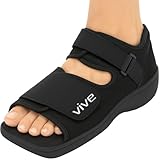
Breaking a foot is a painful experience, and recovery can feel like a long road. Beyond the cast or boot, choosing the right footwear is crucial for proper healing and a smooth return to your daily activities. This guide is designed to help you navigate the world of shoes-for-broken-foot-recovery, ensuring you make informed decisions that support your foot’s needs.
We’ll explore the various types of shoes available, the features that matter most, and how to select the perfect pair for your specific situation. This includes understanding the different types of foot fractures, the stages of recovery, and the specific shoe characteristics that will aid in your healing journey. Let’s get started on the path to recovery, one step at a time.
You’ll learn about the importance of proper support, cushioning, and stability, all essential for protecting your foot and promoting healing. We’ll also cover practical tips for everyday use, including how to modify your existing shoes and what to look for when buying new ones. This guide is your ultimate resource for making the best choices during your foot recovery.
Understanding Foot Fractures and Recovery
Foot fractures, or broken bones in the foot, can occur in various parts of the foot, each requiring a tailored approach to recovery. The severity of the fracture, the location of the break, and your overall health all play a role in determining the best course of treatment and the type of shoes you’ll need.
Common Types of Foot Fractures
- Stress Fractures: These are tiny cracks in the bone, often caused by repetitive impact or overuse. They are common in athletes and people who engage in high-impact activities.
- Metatarsal Fractures: These occur in the long bones of the midfoot. They can result from direct trauma or stress.
- Toe Fractures: Breaks in the bones of the toes can range from minor hairline fractures to more severe breaks.
- Calcaneus Fractures: These fractures affect the heel bone and often result from high-impact injuries, such as falls.
- Navicular Fractures: Fractures in the navicular bone, located in the midfoot, can be challenging to heal due to limited blood supply.
Stages of Recovery
Foot fracture recovery typically involves several stages, each with specific footwear needs:
- Initial Phase (Protection): This stage focuses on protecting the injured foot and minimizing weight-bearing. This often involves a cast, walking boot, or other immobilization device.
- Intermediate Phase (Gradual Weight-Bearing): As the bone begins to heal, you will gradually start to put weight on your foot. Your doctor will provide guidance on the amount of weight you can bear.
- Rehabilitation Phase (Return to Activity): This phase involves physical therapy and exercises to restore strength, flexibility, and range of motion. You’ll gradually increase your activity level.
Essential Features of Shoes-for-Broken-Foot-Recovery
Choosing the right shoes during foot fracture recovery is vital for promoting healing, preventing complications, and ensuring comfort. Several key features are essential:
Support and Stability
Adequate support and stability are paramount, especially during the intermediate and rehabilitation phases. Look for shoes with:
- Rigid Soles: These soles provide excellent support and minimize bending, which can strain the healing foot.
- Structured Uppers: Uppers that firmly cradle the foot and ankle, offering additional stability.
- Good Arch Support: Proper arch support helps distribute weight evenly and reduces stress on the foot.
Cushioning and Shock Absorption
Cushioning absorbs impact and reduces stress on the foot, especially important when walking on hard surfaces. Look for shoes with:
- Thick Midsoles: Midsoles made of materials like EVA or PU provide excellent cushioning.
- Shock-Absorbing Insoles: Insoles can further enhance cushioning and comfort.
- Consider air or gel cushioning: These can provide superior shock absorption.
Adjustability
Adjustable features allow you to customize the fit and accommodate swelling. Look for shoes with:
- Lace-up or Velcro Closures: These allow you to adjust the fit throughout the day.
- Removable Insoles: This allows you to insert custom orthotics or thicker insoles if needed.
Wide Toe Box
A wide toe box provides ample space for the toes, which is especially important if you are wearing a cast or boot. It prevents compression and promotes comfort. (See Also: How To Remove Glued Insoles From Shoes )
Breathable Materials
Breathable materials, such as mesh or canvas, help keep your feet cool and dry, reducing the risk of skin irritation and promoting hygiene.
Types of Shoes for Broken Foot Recovery
Several types of shoes are specifically designed or suitable for broken foot recovery. The best choice depends on the type of fracture, the stage of recovery, and your individual needs.
Walking Boots
Walking boots, also known as fracture boots, are often prescribed during the initial and intermediate phases of recovery. They provide:
- Immobilization: They immobilize the foot and ankle, protecting the fracture.
- Support: They provide excellent support and stability.
- Adjustability: They typically have adjustable straps and liners for a customized fit.
- Rocking Bottom: Some boots have a rocking bottom which helps promote a more natural gait.
Rocker-Bottom Shoes
Rocker-bottom shoes are designed to reduce pressure on the forefoot and promote a smoother gait. They are beneficial during the intermediate and rehabilitation phases. They feature:
- Curved Soles: The curved sole allows the foot to roll forward, reducing stress on the injured area.
- Reduced Forefoot Flex: This limits the bending of the foot, protecting the healing bone.
- Improved Gait: The design promotes a more natural walking pattern.
Post-Op Shoes
Post-op shoes are designed for post-surgical recovery and are often suitable for broken foot recovery as well. They feature:
- Rigid Soles: They provide excellent support and stability.
- Wide Toe Box: They accommodate swelling and bandages.
- Adjustable Straps: They allow for a customized fit.
- Often have a square toe design: This helps to protect the toes.
Extra-Depth Shoes
Extra-depth shoes offer more volume and space inside the shoe, making them suitable for accommodating orthotics, inserts, or swelling. They feature:
- Increased Depth: Provides extra room for the foot.
- Removable Insoles: Allows for the use of custom orthotics.
- Accommodates Swelling: The extra space helps to prevent pressure on the foot.
Supportive Sneakers
Supportive sneakers can be a good option during the later stages of recovery or for everyday wear. Look for sneakers with:
- Good Arch Support: This helps distribute weight evenly.
- Stable Construction: Provides support and prevents excessive movement.
- Cushioning: Absorbs impact and reduces stress.
- Adjustable Closure: Allows for a secure and comfortable fit.
Choosing the Right Shoes for Your Specific Fracture
The type of shoe you need will depend on the location and severity of your fracture, as well as the stage of your recovery. Always consult with your doctor or podiatrist for specific recommendations.
For Toe Fractures
Toe fractures often require a stiff-soled shoe or a post-op shoe to protect the toes. A wider toe box is essential to prevent pressure. A walking boot may be recommended for more severe toe fractures. (See Also: How To Clean Non Removable Insoles )
For Metatarsal Fractures
Metatarsal fractures often benefit from a walking boot or a rocker-bottom shoe. These types of shoes provide the necessary support and limit bending of the foot. A post-op shoe can also be a good option.
For Calcaneus Fractures
Calcaneus fractures typically require a walking boot for immobilization. After the initial healing phase, a supportive shoe with excellent cushioning and arch support is essential. Your doctor may recommend a custom orthotic.
For Stress Fractures
Stress fractures often require a period of rest and reduced activity. Supportive shoes with good cushioning and arch support are recommended. Rocker-bottom shoes can also be helpful.
For Ankle Fractures
Ankle fractures often require a walking boot for immobilization. After the boot is removed, supportive shoes with good ankle stability are essential. Consider shoes with a higher cut for added support.
Tips for Buying Shoes for Broken Foot Recovery
When shopping for shoes for broken foot recovery, keep these tips in mind:
- Consult Your Doctor: Always follow your doctor’s recommendations.
- Measure Your Foot: Have your foot measured at the end of the day when it is most swollen.
- Try on Shoes with Socks: Wear the type of socks you will typically wear.
- Consider Orthotics: If you use orthotics, bring them with you.
- Walk Around: Walk around the store to ensure the shoes are comfortable and supportive.
- Check for Adequate Space: Make sure there is enough space in the toe box.
- Prioritize Comfort: Choose shoes that feel comfortable and supportive.
- Don’t Rush the Process: Take your time and try on several pairs.
Adapting Existing Shoes
You may be able to modify your existing shoes to make them more suitable for broken foot recovery. Here are some options:
- Use Inserts: Add supportive insoles or heel cups for added arch support and cushioning.
- Stretch the Shoe: If the shoe is too tight, consider having it professionally stretched.
- Use a Shoe Stretcher: Use a shoe stretcher to create more space in the toe box.
- Add a Heel Lift: If your doctor recommends it, use a heel lift to adjust your gait.
- Use a Lace Lock: A lace lock can help keep your laces secure and prevent slippage.
Caring for Your Feet During Recovery
Proper foot care is essential during the recovery process. This includes:
- Keeping Your Feet Clean and Dry: Wash your feet daily and dry them thoroughly.
- Inspecting Your Feet: Check for any signs of skin irritation, blisters, or pressure sores.
- Moisturizing Your Feet: Apply a moisturizer to keep your skin soft and prevent dryness.
- Elevating Your Foot: Elevate your foot to reduce swelling.
- Following Your Doctor’s Instructions: Always follow your doctor’s recommendations for foot care.
Additional Considerations
Beyond the type of shoe, consider these additional factors:
- Activity Level: Consider the activities you will be doing during recovery.
- Work Environment: Choose shoes that are appropriate for your work environment.
- Personal Preferences: Choose shoes that you find comfortable and stylish.
- Cost: Set a budget and compare prices.
- Durability: Choose shoes made from durable materials that will last.
Where to Buy Shoes for Broken Foot Recovery
Shoes for broken foot recovery are available at various retailers: (See Also: Shoes For Standing On Concrete )
- Specialty Shoe Stores: These stores often have a wide selection of shoes for foot problems and can provide expert fitting advice.
- Medical Supply Stores: Medical supply stores carry walking boots, post-op shoes, and other specialized footwear.
- Online Retailers: Online retailers offer a vast selection of shoes, but it’s essential to check the return policy.
- Department Stores: Department stores often have a selection of supportive shoes.
Common Mistakes to Avoid
Avoid these common mistakes when choosing shoes for broken foot recovery:
- Wearing Shoes That Are Too Tight: This can put pressure on the healing foot and hinder recovery.
- Wearing Shoes Without Adequate Support: This can lead to re-injury or delayed healing.
- Ignoring Doctor’s Recommendations: Always follow your doctor’s advice.
- Not Measuring Your Foot: Ensure you are wearing the correct size.
- Not Considering Your Activity Level: Choose shoes that are appropriate for your activities.
- Neglecting Foot Care: Proper foot care is essential for healing.
The Importance of Physical Therapy
Physical therapy plays a crucial role in broken foot recovery. A physical therapist can help you:
- Restore Range of Motion: Physical therapy helps to regain flexibility in the foot and ankle.
- Strengthen Muscles: Exercises help strengthen the muscles that support the foot and ankle.
- Improve Balance: Balance exercises help to prevent falls.
- Improve Gait: Physical therapists can help you improve your walking pattern.
- Reduce Pain: Physical therapy can help reduce pain and inflammation.
When to See a Doctor
See a doctor if you experience any of the following:
- Severe Pain: If you experience severe pain that is not relieved by rest or medication.
- Increased Swelling: If the swelling in your foot worsens.
- Numbness or Tingling: If you experience numbness or tingling in your foot or toes.
- Inability to Bear Weight: If you are unable to put weight on your foot.
- Signs of Infection: If you notice any signs of infection, such as redness, warmth, or pus.
Verdict
Recovering from a broken foot requires patience and the right support. Choosing the correct shoes-for-broken-foot-recovery is a crucial step towards a successful outcome. By understanding the different types of fractures, the stages of recovery, and the essential features to look for in footwear, you can make informed decisions that promote healing, comfort, and a return to your active lifestyle.
Remember to always consult with your doctor or podiatrist for personalized recommendations. They can provide guidance on the best type of shoe for your specific injury and recovery needs. Following their advice and taking the time to select the right footwear will significantly contribute to your healing journey.
Proper foot care, including keeping your feet clean, dry, and moisturized, is also essential. By combining the right shoes with a comprehensive recovery plan, you can confidently take each step toward regaining your mobility and well-being. Prioritize comfort, support, and the guidance of healthcare professionals for the best results.
Recommended Products