Ever noticed how your shoe polish brush, once a trusty tool for gleaming footwear, now looks like it’s seen better days? Caked in dried polish, dust, and maybe a few stray hairs, it’s a far cry from its former glory. A neglected brush doesn’t just look bad; it can also lead to uneven polish application and, ultimately, less-than-stellar shoe shines. But don’t worry, giving your shoe polish brush a good cleaning is a simple process.
This guide will walk you through the steps to restore your brushes to their optimal condition, ensuring your shoes always look their best. Whether you’re dealing with a brush used for black, brown, or any other color of shoe polish, the principles remain the same. We’ll cover everything from the basic tools you’ll need to the specific techniques for different types of polish and brushes. Get ready to revitalize your shoe care routine!
Cleaning your shoe polish brush not only extends its lifespan but also improves the quality of your shoe shines. A clean brush applies polish more evenly, prevents color contamination, and helps you achieve a professional-looking finish. Let’s get started and bring those brushes back to life!
Understanding Your Shoe Polish Brush
Before diving into the cleaning process, it’s helpful to understand the different types of shoe polish brushes and the materials they’re made of. This knowledge will help you choose the right cleaning methods and avoid damaging your brushes.
Types of Shoe Polish Brushes
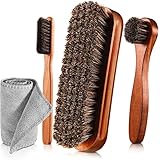
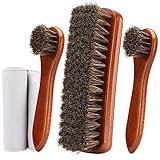
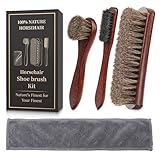
- Dauber Brushes: These are typically small, round brushes with a handle, used for applying polish to the shoe’s surface. They often have short, dense bristles.
- Shine Brushes (Buffing Brushes): These are larger brushes, often rectangular or oval, with longer, softer bristles. They’re used to buff the polish after application, creating a shine.
- Detail Brushes: Smaller brushes with angled bristles, designed for applying polish to hard-to-reach areas like seams and around the welt.
Brush Materials
Shoe polish brushes are typically made with the following materials:
- Bristles: Commonly made of horsehair, goat hair, or synthetic fibers. Horsehair is a popular choice for its softness and ability to distribute polish evenly. Goat hair is even softer and often used for delicate leathers. Synthetic bristles are durable and can be used with various types of polish.
- Handles: Usually made of wood, often with a varnish or lacquer finish. Some handles may be made of plastic or other materials.
- Ferrule: The metal band that holds the bristles to the handle.
Gathering Your Supplies
Before you begin cleaning your shoe polish brush, gather the necessary supplies. Having everything ready will make the process smoother and more efficient.
Essential Supplies
- Warm Water: For rinsing the brush and loosening dried polish.
- Mild Soap: Such as dish soap or a gentle hand soap. Avoid harsh detergents.
- Cleaning Bowl or Container: For mixing the soapy water.
- Soft Cloths or Paper Towels: For wiping and drying the brush.
- Brush Comb or Old Toothbrush: To remove stubborn polish residue from the bristles.
- Optional: Shoe Polish Remover: For heavily caked-on polish or difficult stains.
- Optional: Leather Conditioner: To restore the bristles’ softness after cleaning.
Safety Precautions
- Ventilation: Work in a well-ventilated area, especially if using shoe polish remover.
- Gloves: Wear gloves to protect your hands from polish and cleaning agents.
- Eye Protection: Consider wearing eye protection to prevent splashes from entering your eyes.
- Surface Protection: Protect your work surface with newspaper or a drop cloth.
Cleaning Your Shoe Polish Brush: Step-by-Step Guide
Now, let’s get down to the cleaning process. Here’s a step-by-step guide to cleaning your shoe polish brush effectively.
Step 1: Preparation
Before you begin, remove any loose debris from the brush. Gently tap the brush against a hard surface to dislodge loose dust and dried polish flakes. If the brush has significant amounts of dried polish, consider using a brush comb or old toothbrush to remove it. This will make the cleaning process easier.
Step 2: Soapy Water Bath
Fill your cleaning bowl or container with warm water and add a few drops of mild soap. Mix the water gently to create a soapy solution. Dip the bristles of the brush into the soapy water, ensuring that you don’t submerge the entire brush handle, as this can damage the wood or loosen the bristles.
Step 3: Cleaning the Bristles
Gently swirl the brush in the soapy water, working the soap through the bristles. Use your fingers or a soft cloth to gently massage the bristles, removing any remaining polish and dirt. For brushes with particularly stubborn polish, you can use a brush comb or old toothbrush to carefully work out the residue.
Step 4: Rinsing the Brush
Rinse the brush thoroughly under running warm water. Make sure to remove all traces of soap from the bristles. Continue rinsing until the water runs clear, indicating that all the soap and polish residue have been removed.
Step 5: Drying the Brush
Gently shake the brush to remove excess water. Then, use a clean, soft cloth or paper towel to blot the bristles, removing as much moisture as possible. Avoid rubbing the bristles vigorously, as this can damage them. Allow the brush to air dry completely. Place it in a well-ventilated area, away from direct sunlight or heat, which could warp the handle or damage the bristles. This can take several hours or even overnight, depending on the brush’s size and the humidity.
Step 6: Optional Conditioning
Once the brush is completely dry, you can optionally condition the bristles. This is especially beneficial for brushes made with natural fibers, such as horsehair or goat hair. Apply a small amount of leather conditioner to the bristles and gently work it in with your fingers. This will help to restore the bristles’ softness and prevent them from becoming brittle.
Step 7: Final Touches
Once the brush is dry and conditioned, give it a final comb-through with a brush comb or your fingers to help restore its shape and remove any remaining debris. Your shoe polish brush is now clean and ready for use! (See Also: How To Remove Glued Insoles From Shoes )
Cleaning Different Types of Shoe Polish Brushes
While the basic cleaning steps remain the same, you might need to adjust your approach based on the type of brush and the kind of polish you use.
Cleaning Dauber Brushes
Dauber brushes are used for applying polish, so they often accumulate a lot of polish residue. Follow the general cleaning steps, paying extra attention to rinsing the bristles thoroughly. You may need to repeat the soapy water bath and rinsing steps several times to remove all the polish.
Cleaning Shine (buffing) Brushes
Shine brushes are used for buffing, so they tend to collect dust and loose polish particles. Follow the same cleaning steps, but you might find that a thorough rinsing is less crucial than with dauber brushes. Ensure that you remove all dust and debris from the bristles.
Cleaning Detail Brushes
Detail brushes are smaller and can be more delicate. Be extra gentle when cleaning these brushes, especially if they have angled bristles. Avoid excessive force when rinsing or drying. Consider using a smaller cleaning bowl or container to prevent the bristles from getting bent or damaged.
Cleaning Different Types of Shoe Polish
The type of shoe polish you use can also influence your cleaning approach.
Cleaning Brushes Used for Cream Polish
Cream polishes are often easier to remove than wax polishes. Follow the general cleaning steps, and the soapy water bath should effectively remove most of the residue. If the polish is particularly stubborn, you can use a shoe polish remover.
Cleaning Brushes Used for Wax Polish
Wax polishes can be more difficult to remove, as they tend to dry and harden. You might need to soak the brush in the soapy water for a longer period to loosen the polish. Consider using a shoe polish remover for stubborn cases. Be sure to rinse the brush thoroughly to remove all traces of the remover.
Cleaning Brushes Used for Liquid Polish
Liquid polishes can stain the bristles more easily. Follow the general cleaning steps, and be sure to rinse the brush thoroughly. You may need to repeat the soapy water bath and rinsing steps several times to remove all the stains. Consider using a shoe polish remover for particularly stubborn stains.
Dealing with Stubborn Polish Buildup
Sometimes, despite your best efforts, you might encounter stubborn polish buildup. Here are some tips for dealing with these situations.
Using a Shoe Polish Remover
Shoe polish removers are specifically designed to dissolve dried polish. Apply a small amount of the remover to the brush bristles and let it sit for a few minutes to allow the remover to penetrate the polish. Then, gently scrub the bristles with a brush comb or old toothbrush. Rinse the brush thoroughly with warm water and follow the standard cleaning steps.
Soaking the Brush
For heavily caked-on polish, you can soak the brush in the soapy water for a longer period. Let the brush sit in the water for 15-30 minutes to allow the polish to soften. Then, gently scrub the bristles with a brush comb or old toothbrush. Rinse the brush thoroughly with warm water and follow the standard cleaning steps.
Repeating the Cleaning Process
You may need to repeat the entire cleaning process several times to completely remove stubborn polish buildup. Don’t be discouraged if the brush doesn’t get perfectly clean on the first try. Persistence is key!
Maintaining Your Shoe Polish Brush
Regular maintenance can extend the life of your shoe polish brushes and ensure they perform their best. Here are some tips for maintaining your brushes. (See Also: How To Clean Non Removable Insoles )
Regular Cleaning
Clean your shoe polish brushes regularly, ideally after each use or at least every few weeks, depending on how often you polish your shoes. This will prevent polish buildup and keep the brushes in good condition.
Proper Storage
Store your shoe polish brushes in a clean, dry place, away from direct sunlight and extreme temperatures. Consider storing them in a container or drawer to protect them from dust and debris.
Avoid Overloading the Brush
When applying polish, avoid overloading the brush. Use a small amount of polish and apply it evenly to the shoe’s surface. This will prevent excessive polish buildup on the brush.
Replace Worn-Out Brushes
Even with proper care, shoe polish brushes will eventually wear out. Replace your brushes when the bristles become matted, damaged, or lose their effectiveness. A new brush will provide a better shine and make polishing your shoes easier.
Troubleshooting Common Problems
Here are some common problems you might encounter when cleaning your shoe polish brush and how to solve them.
Bristles Not Cleaning Completely
If the bristles don’t seem to be cleaning completely, try using a shoe polish remover or soaking the brush in soapy water for a longer period. Make sure you are rinsing the brush thoroughly to remove all traces of soap and polish residue.
Brush Bristles Becoming Matted
If the brush bristles become matted, it may be due to excessive polish buildup or improper cleaning. Clean the brush thoroughly and consider using a brush comb to help restore the bristles’ shape. Avoid using harsh chemicals or excessive force when cleaning.
Brush Handle Damage
If the brush handle gets damaged, avoid submerging the entire brush in water. Clean the handle with a damp cloth and mild soap. Protect the handle from direct sunlight and extreme temperatures.
Bristles Falling Out
If the bristles start to fall out, it may be a sign that the brush is worn out or damaged. Consider replacing the brush if the problem persists. Avoid using excessive force when cleaning the brush.
Alternative Cleaning Methods
While the soapy water method is the most common and effective, here are some alternative cleaning methods you can consider.
Using a Vinegar Solution
A vinegar solution can be effective for removing stubborn polish residue and cleaning the brush. Mix equal parts white vinegar and warm water. Soak the brush bristles in the solution for a few minutes, then gently scrub the bristles with a brush comb or old toothbrush. Rinse the brush thoroughly with warm water and follow the standard cleaning steps.
Using Isopropyl Alcohol
Isopropyl alcohol can be used to remove stubborn stains and disinfect the brush. Apply a small amount of isopropyl alcohol to the brush bristles and let it sit for a few minutes. Then, gently scrub the bristles with a brush comb or old toothbrush. Rinse the brush thoroughly with warm water and follow the standard cleaning steps.
Dry Cleaning Methods
For brushes that are only lightly soiled, you can try dry cleaning methods. Use a brush comb or old toothbrush to remove loose debris. Then, wipe the bristles with a clean, dry cloth. This method is less effective for removing polish residue but can be useful for light cleaning. (See Also: Shoes For Standing On Concrete )
The Importance of a Clean Brush
Using a clean shoe polish brush is essential for several reasons.
Even Polish Application
A clean brush distributes polish evenly across the shoe’s surface, preventing streaks and ensuring a consistent shine.
Preventing Color Contamination
A clean brush prevents color contamination, which can occur when mixing different colors of polish. This is especially important if you have multiple pairs of shoes in different colors.
Achieving a Professional Shine
A clean brush helps you achieve a professional-looking shine. It allows you to apply the polish smoothly and evenly, resulting in a more polished and refined appearance.
Extending the Life of Your Shoes
Regular shoe polishing with a clean brush helps protect your shoes from the elements and extends their lifespan. It also helps to prevent cracks and creases from forming in the leather.
Beyond Cleaning: Other Shoe Care Tips
While cleaning your shoe polish brush is crucial, it’s just one part of a comprehensive shoe care routine. Here are some other tips to keep your shoes looking their best.
Regular Polishing
Polish your shoes regularly, depending on how often you wear them. This will help to protect the leather and maintain its shine. Use a clean shoe polish brush for the best results.
Using Shoe Trees
Use shoe trees to maintain the shape of your shoes and absorb moisture. Shoe trees will help to prevent creases and cracks from forming in the leather.
Proper Storage
Store your shoes in a clean, dry place, away from direct sunlight and extreme temperatures. Consider storing them in shoe bags or boxes to protect them from dust and debris.
Protecting Your Shoes From the Elements
Protect your shoes from the elements, such as rain, snow, and salt. Use a shoe protector spray to create a barrier against moisture and stains. Avoid wearing your shoes in harsh weather conditions if possible.
Verdict
Maintaining a clean shoe polish brush is a fundamental aspect of proper shoe care. By following the steps outlined in this guide, you can effectively remove polish residue, dirt, and debris, ensuring your brushes are in top condition. Remember to use the right supplies, clean your brushes regularly, and store them properly to extend their lifespan and enhance the quality of your shoe shines. A well-cared-for brush not only improves the appearance of your shoes but also contributes to their longevity. With a little effort and attention, your shoe polish brushes will remain reliable tools for years to come.
Regular cleaning is key. Consider it part of your routine. Make it a habit to clean your brushes after each polishing session or at least every few weeks. This proactive approach will prevent the build-up of polish and dirt, making the cleaning process easier and more effective. Consistent care will ensure your brushes are always ready to deliver a flawless shine. Your shoes, and your style, will thank you.
Recommended Products