Cork shoes are a stylish and sustainable footwear choice, offering a unique look and comfortable feel. From sandals and wedges to platforms, they add a touch of natural elegance to any outfit. However, their porous nature makes them susceptible to dirt, stains, and general wear and tear. Don’t worry, though! With the right approach, you can keep your cork shoes looking their best and extend their lifespan.
This comprehensive guide will walk you through everything you need to know about cleaning cork shoes. We’ll cover the tools and materials you’ll need, step-by-step cleaning instructions for various types of stains, and tips on maintaining and protecting your cork footwear. Whether you’re dealing with a minor scuff or a stubborn stain, you’ll find the information you need to restore your shoes to their former glory.
Get ready to discover the secrets to keeping your cork shoes clean, fresh, and ready to complement your style. Let’s get started!
Understanding Cork and Its Properties
Before diving into the cleaning process, it’s crucial to understand the nature of cork. Cork is a natural material derived from the bark of the cork oak tree. It’s known for its unique properties, including its lightness, flexibility, durability, and water resistance. However, it’s also porous, meaning it can absorb liquids and stains more easily than other materials.
Why Cork Needs Special Care
Because of its porous nature, cork requires special care when cleaning. Harsh chemicals and abrasive cleaners can damage the surface, leading to cracking, drying, and discoloration. Improper cleaning methods can also strip away the natural oils that keep the cork supple and prevent it from drying out.
Understanding these characteristics will help you choose the right cleaning methods and products, ensuring that you clean your cork shoes effectively without causing any damage.
Common Types of Cork Shoes
Cork shoes come in various styles, including: (See Also: How To Remove Glued Insoles From Shoes )
- Sandals: Often feature cork footbeds or soles.
- Wedges: Cork is commonly used for the wedge heel.
- Platforms: Cork platforms offer height and style.
- Mules: Cork can be used for the sole and upper part of the shoe.
- Espadrilles: While often associated with jute, some espadrilles incorporate cork.
The cleaning methods may vary slightly depending on the specific style of your cork shoes, so it’s always a good idea to test any cleaning solution in an inconspicuous area first.
Essential Tools and Materials for Cleaning Cork Shoes
To effectively clean your cork shoes, you’ll need the right tools and materials. Here’s a comprehensive list:
- Soft-bristled brush: A toothbrush or a specialized shoe brush is ideal for gently scrubbing the cork surface.
- Mild soap or dish soap: Choose a gentle, pH-neutral soap that won’t damage the cork. Avoid harsh detergents.
- Warm water: Essential for creating a cleaning solution and rinsing the shoes.
- Clean cloths or sponges: Microfiber cloths or soft sponges are best for wiping down the shoes. Avoid abrasive materials.
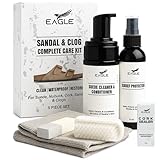
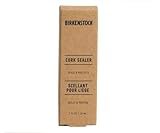
- Cork sealant or protectant (optional): These products help protect the cork from stains and water damage.
- Rubbing alcohol (isopropyl alcohol): Useful for removing certain stains.
- Baking soda: A natural abrasive that can help remove stubborn stains.
- White vinegar: Can be used for cleaning and deodorizing.
- Cotton swabs: Useful for applying cleaning solutions to small areas or for spot cleaning.
- Paper towels: For blotting and drying.
Having these items on hand will make the cleaning process much easier and more effective.
Step-by-Step Guide to Cleaning Cork Shoes
Follow these steps to clean your cork shoes effectively:
Step 1: Preparation
- Remove loose dirt and debris: Use the soft-bristled brush to gently brush away any loose dirt, dust, or debris from the surface of the cork.
- Protect the uppers (if applicable): If your shoes have leather or fabric uppers, protect them by covering them with tape or plastic wrap to prevent them from getting wet.
- Test in an inconspicuous area: Before applying any cleaning solution to the entire shoe, test it on a small, hidden area (like the inside of the heel) to ensure it doesn’t cause discoloration or damage.
Step 2: Cleaning the Cork
- Prepare the cleaning solution: Mix a few drops of mild soap or dish soap with warm water in a small bowl. Avoid using too much soap, as it can be difficult to rinse out.
- Apply the solution: Dip a clean cloth or sponge into the soapy water and wring out any excess moisture. The cloth should be damp, not soaking wet.
- Gently scrub the cork: Use the damp cloth or sponge to gently scrub the cork surface. Work in small circular motions, paying attention to areas with stains or dirt. Avoid scrubbing too hard, as this can damage the cork.
- Rinse the cloth: Rinse the cloth frequently with clean water to remove dirt and soap residue.
- Remove Stubborn Stains: For stubborn stains, you can try the following methods:
- Baking soda paste: Make a paste of baking soda and water. Apply it to the stain, let it sit for a few minutes, and then gently scrub with a soft brush. Rinse thoroughly.
- Rubbing alcohol: For ink or oil stains, dab a cotton swab with rubbing alcohol and gently blot the stain. Be careful not to spread the stain.
- White vinegar: Dilute white vinegar with water (1:1 ratio) and use a cloth to wipe the stain. Rinse thoroughly.
Step 3: Drying the Shoes
- Rinse thoroughly: Once you’ve cleaned the cork, rinse the shoes thoroughly with a clean, damp cloth to remove all traces of soap.
- Blot excess water: Use a clean, dry cloth or paper towels to blot away any excess water.
- Air dry: Allow your shoes to air dry completely in a well-ventilated area, away from direct sunlight or heat. Avoid using a hairdryer or placing them near a heat source, as this can cause the cork to dry out and crack.
- Stuff with paper: To help the shoes maintain their shape while drying, stuff them with paper towels or newspaper.
- Allow ample drying time: Depending on the humidity, it can take several hours or even a day or two for your cork shoes to dry completely.
Step 4: Protecting and Maintaining Your Cork Shoes
Once your cork shoes are clean and dry, you can take steps to protect them and keep them looking their best:
- Apply a cork sealant or protectant: After cleaning and drying, apply a cork sealant or protectant to help repel water and prevent stains. Follow the manufacturer’s instructions for application. This is especially important for areas that get a lot of wear and tear, like the soles.
- Regular cleaning: Clean your cork shoes regularly to prevent dirt and stains from building up. This will make them easier to clean in the long run.
- Proper storage: Store your cork shoes in a cool, dry place away from direct sunlight and heat. Avoid storing them in plastic bags, as this can trap moisture.
- Avoid extreme temperatures: Cork can be sensitive to extreme temperatures. Avoid leaving your shoes in direct sunlight or in a hot car.
- Rotate your shoes: Avoid wearing the same pair of cork shoes every day. Allowing them to rest between wearings can help them last longer.
- Address issues promptly: If you notice any stains or damage, address them as soon as possible to prevent them from becoming more difficult to remove.
Dealing with Specific Stains and Issues
Different types of stains require different approaches. Here’s how to tackle some common issues: (See Also: How To Clean Non Removable Insoles )
Water Stains
Water stains can sometimes leave dark marks on cork. Here’s how to address them:
- Blot: Immediately blot the area with a clean, dry cloth or paper towel to absorb excess water.
- Air dry: Allow the shoes to air dry completely.
- Consider a sealant: Apply a cork sealant or protectant to help prevent future water stains.
Oil and Grease Stains
Oil and grease stains can be tricky, but here’s how to try and remove them:
- Blot: Gently blot the stain with a clean cloth or paper towel to absorb as much oil as possible. Avoid rubbing, as this can spread the stain.
- Apply baking soda: Sprinkle a generous amount of baking soda over the stain. Let it sit for several hours or overnight to absorb the oil.
- Brush and clean: Brush away the baking soda and clean the area with a mild soap solution.
- Rubbing alcohol (optional): If the stain persists, dab a cotton swab with rubbing alcohol and gently blot the stain.
Ink Stains
Ink stains can be stubborn, but here’s how to treat them:
- Blot: Blot the stain immediately with a clean cloth or paper towel.
- Rubbing alcohol: Dab a cotton swab with rubbing alcohol and gently blot the stain. Avoid rubbing, as this can spread the ink.
- Repeat: Repeat the process as needed, using a fresh cotton swab each time.
- Mild soap: Clean the area with a mild soap solution and rinse thoroughly.
Scuffs and Scratches
Minor scuffs and scratches are common. Here’s how to address them:
- Gentle scrubbing: Use a soft-bristled brush or a clean cloth to gently scrub the scuffed area.
- Eraser (optional): For light scuffs, you can try using a pencil eraser to gently rub the area.
- Cork sealant: Apply a cork sealant or protectant to help protect the area and blend the damage.
Mold and Mildew
If your cork shoes have been exposed to moisture, they may develop mold or mildew. Here’s how to remove it:
- Ventilate: Take the shoes to a well-ventilated area.
- Brush: Use a soft-bristled brush to remove any loose mold or mildew.
- Vinegar solution: Mix equal parts white vinegar and water. Use a cloth to wipe down the affected areas. Vinegar has natural anti-fungal properties.
- Rinse and dry: Rinse the shoes thoroughly and allow them to air dry completely.
- Preventative measures: Store your shoes in a dry place to prevent mold and mildew growth.
Troubleshooting Common Problems
Here are some tips for troubleshooting common problems you might encounter while cleaning your cork shoes: (See Also: Shoes For Standing On Concrete )
- Discoloration: If the cork becomes discolored after cleaning, you may have used a harsh cleaner. Rinse the area thoroughly with clean water and allow it to dry. In the future, test your cleaning solution in an inconspicuous area first.
- Cracking: If the cork starts to crack, it may be due to dryness or exposure to heat. Apply a cork sealant or protectant to rehydrate the cork. Avoid storing the shoes in direct sunlight or near heat sources.
- Stain won’t come out: If a stain is particularly stubborn, try repeating the cleaning process or using a different cleaning method. If the stain persists, it may be permanent.
- Shoes smell musty: If your shoes have a musty smell, it may be due to moisture. Ensure the shoes are completely dry and consider using a shoe deodorizer or baking soda to absorb odors.
- Cleaning solution causing damage: If the cleaning solution seems to be damaging the cork, stop using it immediately. Rinse the area thoroughly with water and allow the shoes to dry. Try a gentler cleaning solution next time.
The Importance of Prevention
The best way to keep your cork shoes clean is to prevent dirt and stains from happening in the first place. Here are some preventative measures:
- Apply a protectant: Regularly apply a cork sealant or protectant to help repel water and prevent stains.
- Avoid contact with harsh substances: Be mindful of where you’re walking and try to avoid contact with substances that could stain your shoes, such as oil, grease, and ink.
- Wipe down after each use: After wearing your shoes, wipe them down with a damp cloth to remove any dirt or debris.
- Proper storage: Store your shoes in a cool, dry place away from direct sunlight and heat.
- Use shoe trees: If your shoes are prone to creasing, use shoe trees to help maintain their shape.
By taking these preventative measures, you can significantly reduce the amount of cleaning your cork shoes require and extend their lifespan.
Environmental Considerations
When cleaning your cork shoes, consider the environmental impact of the products you use. Here are some eco-friendly options:
- Choose biodegradable soaps: Look for soaps that are biodegradable and free of harsh chemicals.
- Use natural cleaners: Baking soda, white vinegar, and lemon juice are all effective and environmentally friendly cleaning agents.
- Avoid aerosol sprays: Aerosol sprays can contain harmful chemicals. Opt for pump sprays or other non-aerosol options.
- Dispose of waste properly: Dispose of cleaning cloths and other waste responsibly.
- Reduce water usage: Use only the amount of water you need to clean your shoes.
By making eco-conscious choices, you can clean your cork shoes while minimizing your impact on the environment.
Final Thoughts
Cleaning cork shoes doesn’t have to be a daunting task. By following these steps and using the right tools and materials, you can keep your footwear looking its best and protect your investment. Remember to always test cleaning solutions in an inconspicuous area, and to air dry your shoes away from direct heat and sunlight.
Regular cleaning and maintenance, along with preventative measures, will ensure your cork shoes remain a stylish and comfortable part of your wardrobe for years to come. With a little care and attention, you can enjoy the natural beauty and unique appeal of cork shoes while keeping them in pristine condition.
Recommended Products