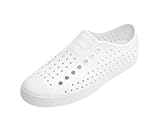
Native Shoes are fantastic – lightweight, comfortable, and perfect for a variety of activities. From casual wear to splashing in puddles, they’re a versatile choice for both adults and kids. But, like any shoe, they get dirty! Don’t worry, though; keeping your Native Shoes clean and fresh is easier than you might think.
This guide will walk you through everything you need to know about cleaning your Native Shoes. We’ll cover different cleaning methods, depending on the material and the type of dirt. Whether you have Jefferson, Miller, or any other Native style, you’ll learn how to keep them looking their best. Get ready to revive your favorite footwear!
Let’s dive in and learn how to make your Native Shoes shine!
Understanding Native Shoe Materials
Before you start cleaning, it’s crucial to understand the materials used in Native Shoes. This knowledge will help you choose the right cleaning methods and avoid damaging your shoes.
Key Materials
- EVA (Ethylene Vinyl Acetate): This is the primary material in most Native Shoes. EVA is lightweight, flexible, waterproof, and easy to clean. It’s also known for its durability.
- Rubber: Some Native Shoes may have rubber outsoles for added grip and durability.
- Textile Linings: Some models feature textile linings for added comfort. These linings may require different cleaning approaches.
- Vegan Leather (Occasionally): Certain styles might incorporate vegan leather accents or components.
Identifying Your Shoe’s Materials
Check the shoe’s label or the manufacturer’s website to determine the specific materials used in your Native Shoes. This information will be invaluable in choosing the appropriate cleaning supplies and techniques.
Essential Cleaning Supplies
Having the right tools is half the battle. Here’s what you’ll need to clean your Native Shoes effectively:
- Mild Soap: Dish soap or a gentle laundry detergent works well. Avoid harsh chemicals or bleach.
- Water: Clean, fresh water is essential for rinsing.
- Soft-Bristled Brush: An old toothbrush or a dedicated shoe brush is perfect for scrubbing. Avoid stiff brushes that could scratch the surface.
- Microfiber Cloths or Soft Towels: These are ideal for wiping and drying your shoes.
- Bucket or Basin: For mixing your cleaning solution.
- Optional: Baking soda (for odor removal), Magic Eraser (for stubborn marks), Shoe trees or stuffing material (to help maintain the shape while drying).
Step-by-Step Cleaning Guide for Eva Native Shoes
This is the most common type of Native Shoe, so here’s a detailed guide:
- Prepare Your Shoes: Remove any loose dirt or debris by tapping the shoes together or using a dry brush. Remove the laces (if applicable) and clean them separately.
- Mix Your Cleaning Solution: In your bucket or basin, mix a few drops of mild soap with warm water. Avoid using hot water, as it could potentially warp the EVA material.
- Scrub the Shoes: Dip your soft-bristled brush into the soapy water. Gently scrub the entire surface of the shoes, paying attention to any dirty areas. For stubborn stains, you might need to apply a bit more pressure.
- Rinse Thoroughly: Rinse the shoes under clean, running water or wipe them down with a clean, damp cloth to remove all traces of soap. Make sure no soap residue remains.
- Dry the Shoes: Air dry your Native Shoes in a well-ventilated area, away from direct sunlight or heat. Stuffing the shoes with paper towels or using shoe trees can help them retain their shape while drying. Avoid using a dryer, as heat can damage the EVA material.
- Clean the Soles (Optional): If the soles are particularly dirty, you can use the same cleaning solution and brush to scrub them. Pay attention to any grooves or patterns where dirt might accumulate.
Cleaning Native Shoes with Rubber Outsoles
If your Native Shoes have rubber outsoles, you can use the same cleaning method as above. However, you might want to pay extra attention to the soles, as they often accumulate more dirt. (See Also: Best Shoes for Standing on Concrete Under $200: Comfort and Support)
- Prepare the Soles: Tap the shoes to remove loose dirt.
- Mix the Cleaning Solution: Use the same mild soap and water solution.
- Scrub the Soles: Use the brush to scrub the rubber soles. Pay attention to any ridges or patterns.
- Rinse the Soles: Rinse the soles thoroughly with clean water.
- Dry: Allow the soles to air dry completely.
Cleaning Native Shoes with Textile Linings
Some Native Shoes have textile linings. Cleaning these requires a gentler approach to avoid damaging the fabric.
- Prepare the Shoes: Remove any loose dirt or debris from the lining.
- Mix the Cleaning Solution: Use a very diluted solution of mild soap and water.
- Spot Clean the Lining: Dip a clean cloth or sponge into the diluted solution and gently blot the lining. Avoid saturating the fabric.
- Rinse the Lining: Use a clean, damp cloth to remove any soap residue.
- Dry the Lining: Allow the shoes to air dry in a well-ventilated area. You can use a fan to speed up the drying process.
Dealing with Stubborn Stains
Sometimes, regular cleaning isn’t enough to remove tough stains. Here’s what to do:
Ink Stains
Ink stains can be tricky, but try these methods:
- Rubbing Alcohol: Dab a small amount of rubbing alcohol onto a clean cloth and gently blot the stain. Test in an inconspicuous area first.
- Hair Spray: Spray the stain with hairspray and let it sit for a few minutes. Then, blot with a clean cloth.
Scuff Marks
Scuff marks are common, especially on lighter-colored shoes. Try these:
- Magic Eraser: Gently rub the scuff mark with a Magic Eraser. This can often remove the mark without damaging the material.
- Baking Soda Paste: Make a paste of baking soda and water. Apply it to the scuff mark, let it sit for a few minutes, and then gently scrub with a soft brush.
Grease and Oil Stains
Grease and oil stains require a different approach:
- Dish Soap: Dish soap is designed to cut through grease. Apply a small amount to the stain, let it sit for a few minutes, and then scrub gently.
- Baking Soda: Sprinkle baking soda on the stain to absorb the oil. Let it sit for several hours or overnight, then brush it away.
Cleaning Laces
Don’t forget the laces! Here’s how to clean them:
- Remove the Laces: Take the laces out of your shoes.
- Soak the Laces: Place the laces in a bowl of warm, soapy water.
- Wash the Laces: Gently scrub the laces with your hands or a soft brush.
- Rinse the Laces: Rinse the laces thoroughly with clean water.
- Dry the Laces: Air dry the laces.
Odor Removal
Native Shoes can sometimes develop odors. Here’s how to combat them: (See Also: Best Basketball Shoes for Wide Feet: Support, Comfort and Performance)
- Baking Soda: Sprinkle baking soda inside the shoes and let them sit overnight. The baking soda will absorb the odors. Then, shake out the baking soda before wearing.
- Shoe Deodorizers: Use a commercial shoe deodorizer spray. Follow the product instructions.
- Air Out the Shoes: Regularly air out your shoes in a well-ventilated area.
- Wash Insoles: If your Native Shoes have removable insoles, wash them separately with mild soap and water.
Preventative Measures
Preventing dirt and stains is easier than cleaning them. Here are some tips:
- Protective Sprays: Consider using a water and stain repellent spray on your Native Shoes. Always test the spray on an inconspicuous area first.
- Avoid Harsh Conditions: Try to avoid wearing your Native Shoes in extremely muddy or dirty environments.
- Regular Cleaning: Clean your shoes regularly, even if they don’t look dirty. This will prevent dirt and stains from setting in.
- Proper Storage: Store your Native Shoes in a cool, dry place when you’re not wearing them. Avoid storing them in direct sunlight or heat.
Common Mistakes to Avoid
Avoid these common mistakes to keep your Native Shoes in top condition:
- Using Harsh Chemicals: Avoid using bleach, harsh detergents, or abrasive cleaners, as these can damage the EVA material.
- Using Hot Water: Hot water can warp or damage the EVA material.
- Putting Shoes in the Dryer: Heat can shrink or damage the shoes.
- Using Stiff Brushes: Stiff brushes can scratch the surface of the shoes.
- Ignoring Stains: The longer a stain sits, the harder it is to remove.
Cleaning Different Native Shoe Styles
While the general cleaning methods apply to most Native Shoes, some specific styles might require slight adjustments. Here’s a look at a few popular styles:
Native Jefferson
The Jefferson is a classic style made primarily of EVA. Follow the standard cleaning guide for EVA shoes. Pay extra attention to the ridges on the upper part of the shoe, as dirt can easily accumulate there. Use a soft brush to scrub these areas.
Native Miller
The Miller style often incorporates a combination of EVA and textile materials. Use the EVA cleaning method for the main body of the shoe. For the textile parts, use a very diluted solution of mild soap and water, and gently blot the area with a clean cloth. Avoid saturating the textile.
Native Audrey
The Audrey style, often designed for women, might have a slightly different shape. The cleaning process is the same as for other EVA styles. Make sure to clean the inside of the shoe regularly to keep it fresh. Consider using shoe deodorizers to prevent odors.
Native Miles
The Miles style, known for its slip-on design, is primarily made of EVA. The cleaning process is straightforward. Clean the entire shoe with the standard EVA cleaning method. Pay attention to any seams or areas where dirt might gather. Regular cleaning is key to keeping this style looking great. (See Also: How to Clean Cork Shoes: A Step-by-Step Guide)
Maintaining the Shape of Your Native Shoes
Over time, Native Shoes can lose their shape. Here’s how to maintain it:
- Shoe Trees: Use shoe trees when storing your shoes. This will help them retain their shape.
- Stuffing: Stuff your shoes with paper towels or newspaper while they’re drying.
- Avoid Over-Wearing: Rotate your shoes to avoid wearing the same pair every day.
When to Seek Professional Cleaning
For particularly stubborn stains or if you’re concerned about damaging your shoes, consider professional cleaning. A professional cleaner will have specialized tools and techniques to handle delicate materials. This is especially true if you have any shoes with specialized materials or embellishments.
Environmental Considerations
When cleaning your Native Shoes, consider the environmental impact. Here are some tips:
- Use Eco-Friendly Soap: Choose biodegradable or eco-friendly cleaning products.
- Conserve Water: Use water sparingly. Turn off the tap while scrubbing.
- Air Dry: Avoid using a dryer, which consumes energy.
- Recycle: When your shoes are worn out, consider donating them or recycling them responsibly.
Troubleshooting Common Cleaning Issues
Here are some solutions to common cleaning problems:
- Soap Residue: If you notice soap residue after rinsing, rinse the shoes again with clean water.
- Fading Colors: Avoid using harsh chemicals or excessive scrubbing, which can cause colors to fade.
- Yellowing: Yellowing can sometimes occur with lighter-colored shoes. Try using a baking soda paste to gently remove the yellowing.
- Mold or Mildew: If you find mold or mildew, clean the shoes thoroughly with a solution of water and vinegar. Ensure the shoes are completely dry before storing them.
Verdict
Cleaning your Native Shoes doesn’t have to be a chore. With the right supplies and techniques, you can easily keep them looking their best. Remember to identify the materials, choose the appropriate cleaning method, and take preventative measures to extend the life of your shoes. By following these simple steps, you can enjoy your comfortable and stylish Native Shoes for years to come.
Recommended Products